Small furniture for a corner? Here's how to choose well
An empty corner can do more for a space than you think. It can make your living room feel unfinished, your bedroom a bit bare, or give your hallway that typical 'almost-there' look. The right small piece of furniture for a corner not only solves this but immediately adds atmosphere, function, and personality. And no, you really don't need a big budget or a complete makeover for it.
Why a small piece of furniture for a corner makes such a difference
A corner is often wasted space. What a shame, because it's precisely there that you can make a statement without it feeling cluttered. A small piece of furniture in a corner acts as a visual anchor – it shows that you've deliberately designed the space instead of just pushing furniture against walls.
The nice thing is that a compact piece of furniture can do several things at once. It can store, style, hold a lamp, or simply make a room cozier. This is especially valuable in smaller homes or apartments. You want something that doesn't look clunky but has an immediate impact.
That's also where the trick lies. A corner doesn't just need something small. It needs a piece of furniture that understands the proportions of the space. Too wide, and it feels cramped. Too low, and it disappears. Too tame, and it doesn't really do anything.
Which small piece of furniture for a corner suits your space?
The best choice depends on two things: what the corner needs and what you want to see when you enter. Sounds simple, but many people first choose based on size and only later on appearance. Then you end up with a practical piece of furniture without a wow factor. And that's precisely not the intention.
In the living room
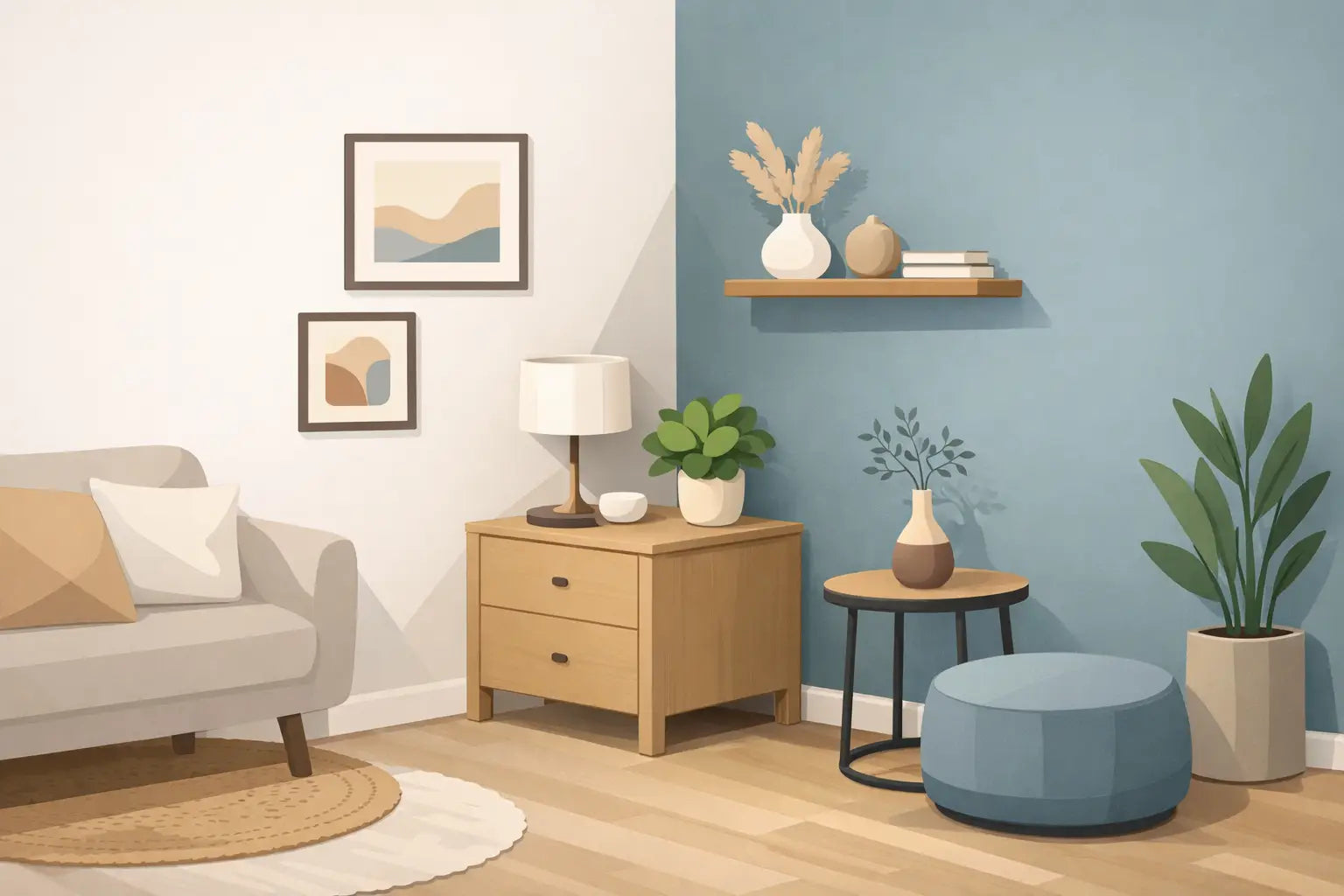
In the living room, a side table, narrow pedestal table, or compact cabinet often works best. If you have an empty corner next to the sofa, a round model is smart. It breaks straight lines and feels airier. A corner between a window and a wall, on the other hand, can benefit from a taller item, such as a narrow plant table or open shelf, to give the space more height.
Do you primarily want atmosphere? Then choose furniture that you can easily style. Think of a vase, candlestick, ornament, or table lamp on top. This way, that one small piece of furniture immediately becomes a mini-scene in your home.
In the hallway
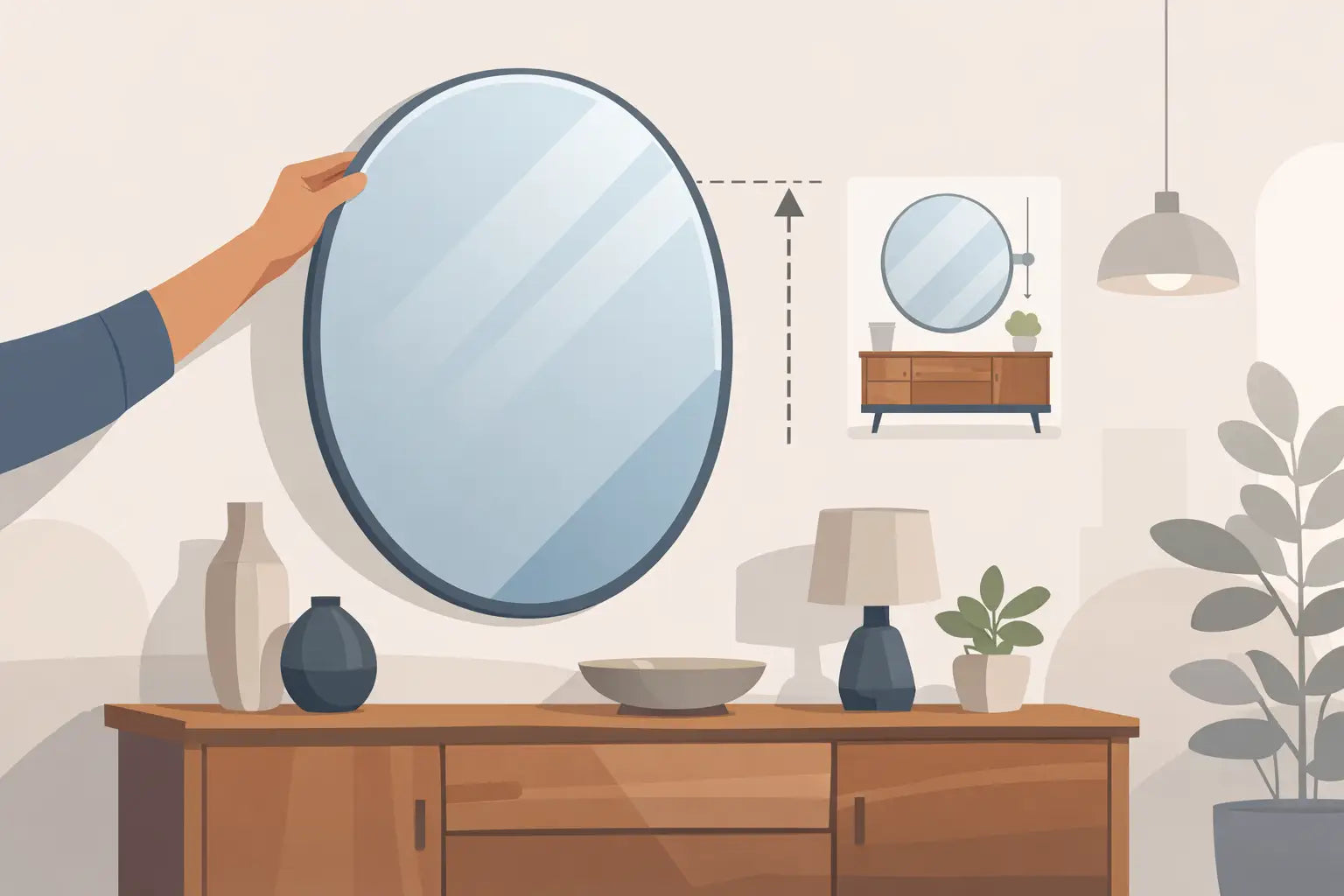
The hallway is often narrow, so every centimeter counts there. A compact side table, small stool, or narrow storage column works wonders here. You want something that isn't in the main thoroughfare but immediately says welcome. A mirror above it, and done – that corner suddenly has a function and appeal.
In a hallway, it can be quite expressive. Precisely because it's a smaller space, you can be bolder with shape, color, or material. A striking piece of furniture turns a forgotten corner into a welcoming sight.
In the bedroom
Here, a small piece of furniture can feel softer and calmer, but it doesn't have to be boring. A nightstand in an unused corner, a mini-console, or a decorative stool works well. Especially if you place a stack of books, a scented candle, or a vase on it.
If you have little space next to the bed, a corner piece of furniture elsewhere in the room can still bring balance. This makes the bedroom less functional and more complete.
In a home office
A corner in your workspace calls for something that brings order without office vibes. A small cabinet, trolley, or open shelving unit keeps things at hand and makes the space less bare. Avoid a heavy, dark block if the room is already small. Light tones, airy legs, or open forms keep it fresh.
How to prevent the corner from feeling cramped
Small doesn't automatically mean suitable. The biggest mistake is choosing furniture that technically fits but optically takes up too much space. Therefore, pay attention not only to width but also to height, depth, and mass.
Furniture on legs usually looks lighter than a solid block. Round shapes work more kindly in tight corners than hard, square lines. And if your corner is already busy with curtains, art, or a plant, choose a calmer model.
Also important: give the furniture some breathing room. A corner doesn't have to be filled to the last centimeter. Sometimes a small item works better if it's placed slightly away from the wall, with a lamp or decor around it. That feels styled rather than just parked.
Shape, material, and color make the difference
A corner piece of furniture is small, so every detail stands out even more. That's good news, because it's precisely with this that you can add character without overhauling your entire interior.
Metal and glass feel modern and light. Wood brings warmth and makes a corner cozy faster. High-gloss or lacquered surfaces add more pizzazz, while matte and natural look calmer. So it depends on what the space already does.
With color, you can go two ways. You can let furniture blend with the wall for a subtle effect, or opt for contrast. A black side table in a light corner immediately adds pizzazz. A colored piece of furniture – think warm red, olive green, or butter yellow – attracts attention and turns that forgotten spot into a style moment.
For lovers of playful interiors, there's really only one rule: dare. A corner is perfect for furniture with a fun shape, glossy finish, or striking detail. Precisely because it's compact, it remains fun without becoming too much.
What to put on a small piece of furniture in a corner?
This is often where it goes wrong. Finally, there's a piece of furniture, and then everything ends up on it. Keys, mail, loose clutter, a half-empty candle. Gone is the atmosphere.
Treat a corner piece of furniture more like a mini-stage. Choose one main element and complement it with one or two smaller items. A lamp with a sculptural base, a vase with branches, or a striking candlestick almost always works. If you want more function, add a small tray or box for items that would otherwise clutter.
Also work with height differences. If everything is equally low, it looks flat. A taller lamp or vase next to a lower object creates tension. And feel free to leave some empty space. That makes the whole thing chicer and calmer.
Smart choosing: beautiful is nice, practical is smarter
A corner piece of furniture should look good, but it helps if it also does something. Especially if you live compactly. So think about your real needs. Do you want to store, place, display, or simply add atmosphere?
An open piece of furniture shows off accessories better but doesn't hide clutter. A cabinet with a door is more practical but can look more massive. A stool is super flexible – as a styling object, extra seating, or a place for a throw – but offers no real storage space. So there isn't one best option. It depends on how you live.
That actually makes the choice even more fun. You don't have to choose perfectly for a showroom picture. You choose for a corner that works in your home AND looks great.
When small is really too small
Sometimes a corner doesn't need a small piece of furniture, but simply more presence. If the space is high, the wall wide, or the rest of your interior already has substantial pieces, a tiny table can look lost. Then you're better off with something that remains compact in floor space but adds some height or volume.
Think of a slender column, a taller cabinet, or furniture combined with a substantial lamp or large vase. The lesson is simple: small must still be visible. Otherwise, the corner will still feel empty, only now with furniture in it.
From empty corner to favorite spot
Perhaps the most enjoyable thing about a small corner piece of furniture is how quickly it yields results. You don't have to replace a sofa, paint walls, or take a complete styling course. One well-chosen piece of furniture, a few beautiful accessories, and that forgotten corner suddenly participates.
That's precisely why these kinds of items are so addictive for interior design enthusiasts. They are affordable, easy to move, and immediately add character. A brand like Housevitamin perfectly understands this game – a home doesn't have to be serious to feel stylish.
So tonight, take a conscious look at that empty corner. Not with the thought of what coincidentally fits, but what can finally add something there. Sometimes a small piece of furniture isn't just a filler, but precisely the detail that makes your room smile.